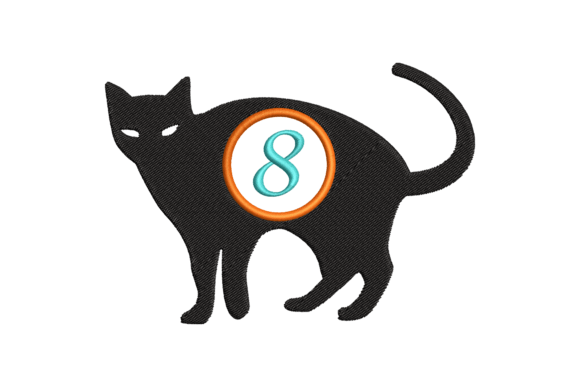
Black Cat Number 8: A Designer’s Stitch Review
When evaluating a new machine embroidery design for my studio, I look past the digital preview and imagine the needle hitting the fabric. Black Cat Number 8 immediately caught my attention not just as a cute motif, but as a versatile asset for creators who need reliable, stitch-out-ready art. As an experienced designer and product reviewer, I approach this file with a critical eye toward how it will actually perform in a hoop, how it will wear over time, and whether it adds genuine value to a handmade product. This isn't just about aesthetics; it is about understanding the technical reality of stitching a feline silhouette that balances charm with structural integrity.
First Impressions and Visual Personality
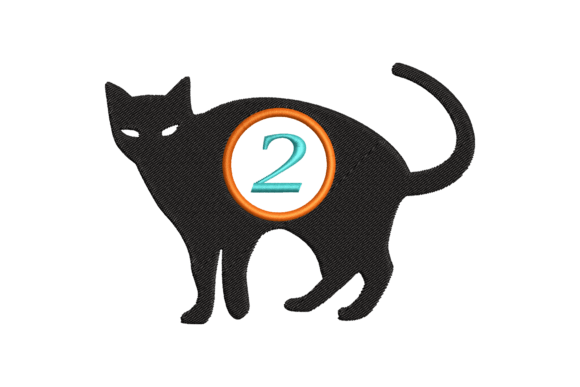
My initial assessment of Black Cat Number 8 reveals a design that leans into elegance rather than cartoonish simplicity. The lines suggest a confident use of both satin stitch borders and potential fill stitch areas, creating a mood that is sophisticated yet playful. For a craft business or Etsy seller, this visual personality is crucial. It avoids the generic clip-art look that saturates the market, offering instead a stylized aesthetic that feels curated. The "Number 8" element implies a sense of order or perhaps a lucky number theme, which opens up specific niche marketing opportunities beyond standard cat lovers. When I visualize this on fabric, I see a design that respects the medium of embroidery as an art form, capable of elevating basic textiles into something with perceived higher value.
Real-World Application: The Custom Tote Bag Test
To truly judge this embroidery file, I mentally placed it in a real-life production scenario: creating a premium canvas tote bag for a boutique client. Tote bags are a staple small shop product, but they present unique challenges due to the coarse weave of canvas and the need for durability. In this context, Black Cat Number 8 serves as an excellent focal point. If this design utilizes an applique design technique, it would be ideal for reducing stitch count while adding texture contrast against the heavy canvas. However, if it is a full-stitch design, I would be checking the stitch density carefully. Too dense, and the canvas puckers; too sparse, and the black thread gets lost in the fabric weave.
For this specific project, I envision placing the cat slightly off-center to allow for personalized monogramming below. This transforms a standard tote bag design into a personalized gift that commands a higher price point. The elegance mentioned in the product description translates directly to customer trust; when a buyer sees clean, well-digitized lines on a finished bag, they associate that quality with your entire brand. This design has the potential to anchor a collection, working equally well as a standalone statement piece or part of a coordinated set of design assets.
Navigating Fabric Choices and Hoop Limitations
While Black Cat Number 8 shows promise, practical application requires careful consideration of substrate. Not every fabric is a friend to detailed animal motifs. I would exercise caution when applying this to highly textured fabrics like terry cloth or boucle unless the design includes a knockdown stitch layer. Without it, the fine details of the cat’s features could disappear into the pile. Similarly, for baby embroidery projects on stretchy knits, stabilizer choice becomes non-negotiable. A fusible cutaway is often necessary to prevent distortion during the stitching process and ensure the garment remains comfortable against sensitive skin.
Hoop size is another critical variable. Before purchasing or stitching, you must confirm the dimensions of Black Cat Number 8 against your machine’s capabilities. If you are working with small hoop sizes, verify that the design hasn't been resized digitally in a way that compromises stitch integrity. Resizing can alter thread colors overlap and cause registration issues. For custom apparel like sweatshirts, the center chest placement is popular, but ensure the design width doesn't exceed the printable area of your chosen printable mockup templates. Accurate mockups prevent customer disappointment by showing exactly how the scale relates to the garment size.
Commercial Viability for Makers and Sellers
For those running a commercial embroidery venture, versatility equals profitability. Black Cat Number 8 fits naturally into several high-demand categories. While listed under Back To School, its elegant styling allows it to transcend seasonal trends. I can easily see this adapted for holiday embroidery on stockings or tree skirts, where the black cat offers a modern alternative to traditional red and green motifs. For Etsy sellers, this design supports multiple listing strategies: finished embroidered patches, custom sweatshirt embroidery, or even digital bundles if licensing permits.
The key to maximizing ROI with this digital embroidery file is testing. Never run a new design directly on a sellable item. Create a test stitch-out on scrap fabric that matches your intended final product. Check for thread breaks, bobbin tension issues, and overall clarity. Does the cat’s expression read clearly from a distance? Are the edges crisp? These micro-details define the professionalism of your finished product. Furthermore, always review the license terms. Confirm whether you can use Black Cat Number 8 for physical products, digital resale, or both. Protecting your business means respecting intellectual property while leveraging high-quality assets to build your inventory.
Technical Notes for Optimal Stitch-Outs
Achieving the elegance promised by Black Cat Number 8 requires adherence to best practices. Here are my professional recommendations for getting the most out of this design:
- Stabilizer Selection: Match your stabilizer to the fabric weight. Use tear-away for stable woven fabrics and cut-away for knits or stretchy materials to maintain shape after washing.
- Thread Contrast: Since this is a black cat design, test visibility on dark fabrics. You may need to add a white underlay or outline to make the design pop on navy or charcoal backgrounds.
- Density Check: Inspect the design in your editing software. If the stitch density seems excessive for lightweight fabrics, consider using a lighter weight thread or adjusting the density settings if your software allows.
- Mockup Accuracy: When creating listings, use realistic printable mockup overlays that show fabric texture. Flat vector previews don't convey the tactile quality of embroidery.
- Needle Choice: Use a sharp needle for woven fabrics and a ballpoint needle for knits to prevent fabric damage and ensure smooth running stitch details.
Elevating Your Embroidery Portfolio
Black Cat Number 8 represents more than just a digital file; it is a tool for creative expression and business growth. Whether you are embellishing a nursery pillow, branding a pet boutique, or crafting a unique holiday gift, this design offers a foundation of elegance that resonates with buyers. By approaching it with technical mindfulness and creative intent, you transform a simple motif into a signature element of your maker identity. Remember that successful embroidery projects are born from the intersection of artistic vision and mechanical precision. Take the time to understand this design’s nuances, test its limits, and apply it where it shines brightest. In doing so, you honor the craft and deliver products that customers cherish.