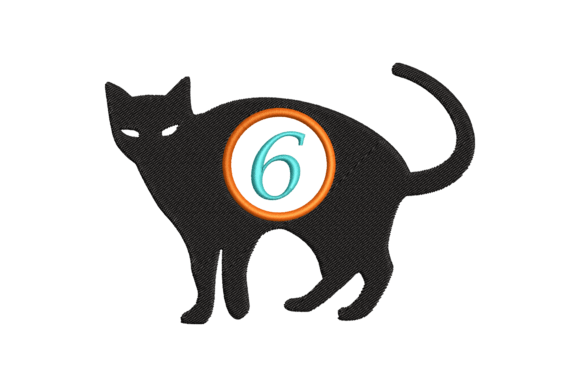
Black Cat Number 6: A Designer’s Review
As I prepare my inventory for the upcoming weekend craft fair, every machine embroidery design in my lineup must earn its place on the table. Space is limited, and customer attention spans are even shorter. When evaluating Black Cat Number 6 for this season's production run, specifically within the Back To School category, I am looking for more than just a cute graphic. I am assessing viability, stitch integrity, and commercial appeal. This review breaks down how this specific embroidery file translates from a digital screen to a profitable handmade product that actually sells at markets and online.
First Impressions: Elegance Meets Playful Charm
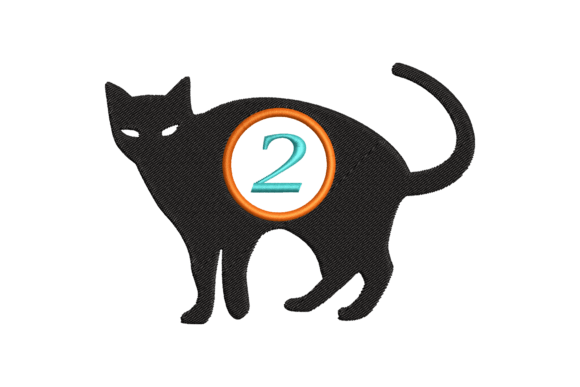
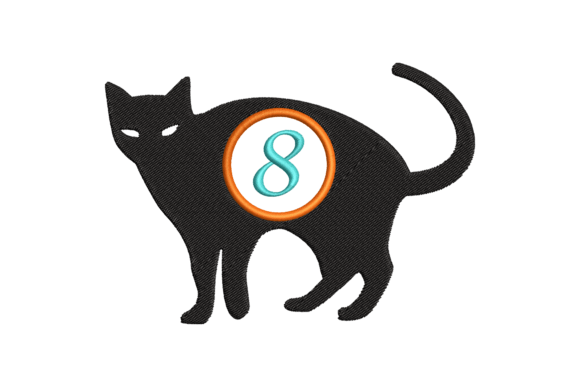
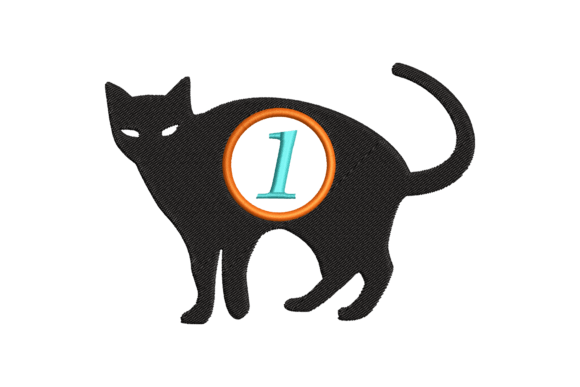
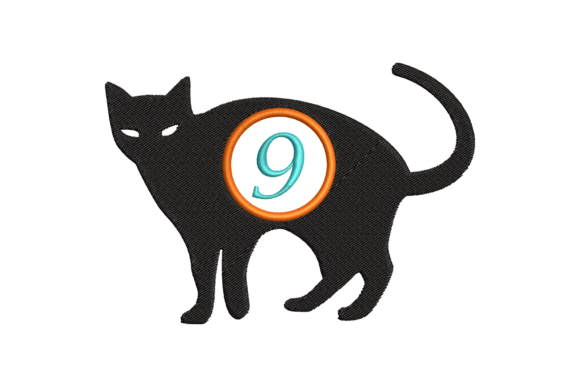
The title "Black Cat Number 6" suggests a specific aesthetic balance. In my experience, feline designs tend to fall into two camps: overly cartoonish or starkly realistic. Based on the description emphasizing elegance and charm, this design appears to bridge that gap. For a craft fair product, this is ideal. Shoppers at handmade markets are often drawn to items that feel sophisticated yet approachable. The "Number 6" element adds a vintage or collegiate touch, making it surprisingly relevant for Back To School themes without being juvenile.
Visually, this design reads as modern farmhouse with a hint of academic nostalgia. It does not scream "costume" but rather whispers "boutique." This distinction is critical for pricing. A generic cat face might command $15 on a tote, but an elegant, stylized composition like Black Cat Number 6 can justify a $28-$35 price point because it feels like art rather than clipart. As an Etsy seller or boutique maker, you want your booth display to convey quality immediately, and this design’s implied refinement supports that higher perceived value.
Best Applications for Market Sales
Not every digital embroidery file works on every substrate. Through years of testing, I have found that designs with this specific blend of elegance and character perform best on functional, mid-weight items. Here is where Black Cat Number 6 shines in a real-world retail environment:
- Tote Bag Design: This is likely your highest ROI item. Canvas totes provide a stable, flat surface that allows the elegance of the stitches to pop. The "Back To School" angle makes this perfect for teachers, librarians, and students wanting a mature aesthetic.
- Apron Embroidery: Kitchen wear sells consistently at fairs. Placing this design on the bib or lower pocket of a linen apron elevates it from utility wear to a giftable keepsake.
- Tea Towel Embroidery: Flour sack towels are a staple. However, ensure the design has enough open space to prevent puckering on lighter weaves. The charm factor here drives impulse buys.
- Embroidered Patch: If the design is compact, converting it into a merrowed-edge patch allows customers to customize their own backpacks or pencil cases, directly tying into the school season.
- Fabric Pouches: Zipper pouches for pens, makeup, or cables are excellent small shop products. They require less fabric and sell at a lower entry price point, encouraging add-on sales.
Production Reality: Stitch Density and Fabric Texture
Before hooping a single piece of saleable inventory, we must address the technical realities of Black Cat Number 6. Elegant designs often utilize complex fill stitches or intricate satin borders to achieve that premium look. While beautiful, this impacts production speed and material choice.
Stitch Density Considerations: If the design features dense shading to create depth, it may be too heavy for lightweight tea towels or thin t-shirts. High density on loose-weave fabrics causes tunneling and distortion. For these items, I recommend checking if a "light stitch" version exists or using a heavier weight stabilizer. Conversely, if stitching on canvas totes or denim aprons, dense stitches are beneficial as they anchor well into the fabric texture.
Thread Colors and Contrast: Black cats on dark fabric present a visibility challenge. At a glance across a crowded booth, a black silhouette on navy canvas disappears. For maximum visual impact, consider stitching Black Cat Number 6 on cream, natural linen, or sage green backgrounds. Alternatively, use a variegated gray or charcoal thread instead of solid black to add dimension and ensure the design remains visible in low-light market conditions.
Strategic Selling Points for Creative Entrepreneurs
Understanding the technical side is only half the battle; knowing how to merchandise the finished product is what pays the bills. Black Cat Number 6 offers unique advantages for business owners.
Photography and Digital Listings
For those selling design assets or finished goods online, this design photographs exceptionally well due to its balanced composition. Avoid photographing on busy backgrounds. Use natural lighting to capture the sheen of the rayon or polyester threads. Because the design evokes elegance, style your printable mockup or product photos with props like vintage books, glasses, or dried flowers to reinforce the Back To School/Elegant narrative.
Batch Production Efficiency
Craft fair prep requires volume. Evaluate the run time of this embroidery file. If it stitches out in under 15 minutes, it is viable for batch production on multi-needle machines or sequential single-needle runs. If it exceeds 30 minutes due to high stitch count, reserve it for premium, made-to-order listings rather than ready-to-sell fair stock. Always confirm the hoop size requirements before committing to a bulk fabric purchase; nothing halts production faster than realizing a design requires a larger hoop than you anticipated.
Critical Pre-Production Checklist
As professionals, we cannot rely on assumptions. Before listing Black Cat Number 6 as a commercial embroidery product, complete this verification process:
- Test Stitch on Scrap: Never skip this. Test on the exact fabric and stabilizer combination you intend to sell. Check for registration errors between color changes.
- Verify Licensing: Confirm the designer permits commercial use of the finished product. Some files are for personal use only. Protect your business by reading the terms included with the download.
- Check Small Details: If the design includes tiny text (like "No. 6"), ensure it remains legible when resized. Tiny lettering often turns into a thread nest if reduced below 70%.
- Create Physical Mockups: Digital renderings lie. Create at least one physical sample to assess drape and hand-feel. Stiff embroidery on a soft towel feels cheap; adjust tear-away or cut-away backing accordingly.
- Assess Booth Visibility: Place your sample on your actual table setup. Can you read the design from five feet away? If not, increase contrast or size.
Final Verdict for Makers
Black Cat Number 6 represents a strong opportunity for makers targeting the intersection of seasonal relevance and timeless style. Its potential to elevate standard blanks into premium handmade gifts makes it a valuable asset for both physical markets and digital storefronts. By respecting the technical requirements of stitch density and fabric compatibility, and by merchandising it with an eye toward elegance, this design can become a cornerstone of your Back To School collection. Remember, successful embroidery businesses are built on the marriage of artistic vision and practical execution. Test thoroughly, produce confidently, and let the charm of this design drive your sales.