Black Cat Number 1: Craft Fair Review
As an experienced embroidery designer preparing for a weekend craft fair, my selection process is rigorous. Every machine embroidery design on my table must earn its keep through visual appeal, production efficiency, and sales potential. When evaluating Black Cat Number 1, I am looking at more than just a cute motif; I am assessing a versatile asset that can anchor a booth display and drive revenue across multiple product categories. This review breaks down the practical realities of stitching this design for handmade markets, focusing on what actually sells when customers are browsing quickly.
First Impressions and Market Positioning
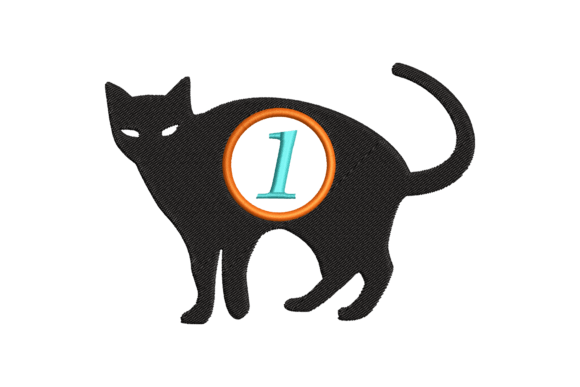
The title Black Cat Number 1 immediately suggests a design that balances whimsy with structure. In the context of a bustling market, first impressions are everything. This design feels like a modern classic—bold enough to catch the eye from three feet away, yet detailed enough to reward closer inspection. While categorized under Back To School, the aesthetic transcends seasonal trends. It possesses a unique elegance that elevates it above generic clip art, making it suitable for premium handmade products.
For an Etsy seller or boutique maker, this design reads as intentional rather than accidental. The "Number 1" element implies a series or a ranking, which psychologically encourages customers to look for matching items or collect variations. However, even as a standalone piece, the silhouette and stitch work promise a touch of charm that appeals to cat lovers and non-cat lovers alike. It avoids being overly juvenile, allowing it to mature into sophisticated home decor or fashion accessories.
Best-Selling Applications for Booth Displays
When setting up a table display, versatility is key to maximizing ROI on a single embroidery file. Here is how Black Cat Number 1 performs across high-margin inventory:
- Tote Bag Design: This is arguably the strongest application. Canvas totes provide a stable, flat surface that showcases the design’s clarity. A black cat motif on natural cotton canvas creates a high-contrast, farmhouse-chic aesthetic that sells consistently at weekend markets.
- Tea Towel Embroidery: Kitchen linens are impulse buys. The design works beautifully as a centered focal point on flour sack towels. Its elegance makes it appropriate for gifting, moving it beyond simple utility into the realm of decorative kitchen art.
- Apron Embroidery: For culinary enthusiasts, this design adds personality without being messy. Placed on the chest pocket area or lower hem, it serves as a delightful accent that doesn't interfere with the apron's function.
- Embroidered Patches: If you have leftover hoop space, run this design as a patch using heavy stabilizer and merrowed edges. These serve as excellent low-cost add-ons at the register or as standalone items for denim customization.
- Fabric Pouches and Zipper Bags: Small goods utilize fabric scraps efficiently. Black Cat Number 1 scales well for zipper pouches, creating giftable items perfect for school supplies, makeup, or tech accessories.
Production Practicality and Batch Efficiency
A beautiful design is useless if it takes too long to produce during a pre-fair rush. From a production standpoint, Black Cat Number 1 appears optimized for commercial embroidery workflows. The balance between fill stitches and satin outlines likely allows for reasonable run times without sacrificing quality. For a small shop product line, this repeatability is essential.
Photographing finished goods for online listings requires distinct silhouettes. This design’s bold nature ensures it photographs crisply, reducing the need for excessive editing. When creating a printable mockup for digital sales or custom order previews, the clear lines translate well to screen, helping customers visualize the final result accurately. Furthermore, because the design has a defined shape, it is easier to align consistently across batch runs, ensuring that every tote bag or towel looks identical—a hallmark of professional commercial embroidery.
Critical Technical Considerations
Despite its versatility, no digital embroidery file is without limitations. As a designer, I must highlight specific technical constraints to prevent production failures:
- Stitch Density on Textured Fabrics: If applying this to terry cloth tea towels or fleece, the pile can swallow fine details. Always use a water-soluble topping to keep stitches crisp. Test the stitch density first; if the design is too dense for thick fabric, it may cause puckering or needle breaks.
- Small Lettering and Details: If the "Number 1" includes serif fonts or thin lines, resizing down significantly may cause thread breaks or illegibility. Maintain minimum size requirements to preserve clarity.
- Curved Surfaces: Stitching on caps requires specialized hooping. Ensure the design fits within the cap frame’s safe zone. Flat designs often distort on curved surfaces unless digitized specifically for headwear.
- Dark Fabric Contrast: On black or navy fabric, ensure the thread colors provide sufficient contrast. A black cat on black fabric disappears unless outlined in white or metallic thread. Always verify color visibility before bulk production.
- Hoop Size Verification: Confirm your machine’s maximum sewing field accommodates the design. Attempting to squeeze a large design into a smaller hoop by resizing can alter stitch angles and ruin the garment.
Enhancing Brand Value and Customer Engagement
Incorporating Black Cat Number 1 into your lineup does more than fill shelf space; it strengthens brand identity. Consistent use of elegant, well-executed motifs signals quality to buyers. When customers see a cohesive collection of craft fair products featuring this design, they perceive a curated brand rather than a random assortment of crafts.
This design also drives engagement. At a booth, tactile samples encourage interaction. A well-stitched tote bag invites touch, leading to conversation. Online, the unique "eye-cat" charm mentioned in the description serves as a hook for social media captions and listing titles. For creative entrepreneurs, this design acts as a reliable workhorse that bridges the gap between artistic expression and commercial viability.
Designer Notes for Successful Execution
Before loading this design assets into your machine for a full production run, adhere to these professional best practices:
- Test on Scrap Fabric: Never assume settings are perfect. Run a test stitch-out on the exact fabric and stabilizer combination you intend to use for the final product.
- Check Thread Contrast: View the test sample in natural daylight and indoor booth lighting. Colors shift dramatically between environments.
- Review Spacing and Alignment: If combining with text or other elements, print a template to verify placement before hooping.
- Confirm Licensing: Always check the specific license terms included with Black Cat Number 1. Ensure you have the right to sell finished physical products or modified versions.
- Create Real Mockups: Photograph actual stitched samples rather than relying solely on software renderings. Customers trust real photos.
- Inspect Final Products: Trim jump threads meticulously and remove all stabilizer residue. The back of the embroidery should be as neat as the front to justify premium pricing.
Black Cat Number 1 represents a strong opportunity for embroidery businesses targeting both school-season shoppers and year-round gift buyers. By respecting technical limits and leveraging its broad aesthetic appeal, this design can become a staple in your handmade inventory. Remember to verify all specific file details, including dimensions and format compatibility, directly from the source before beginning production. With careful execution, this delightful embroidery will indeed elevate your fabrics and captivate your customers.