Nazalization Embroidery Font: A Seller’s Review
As an embroidery business owner constantly scouting for fresh assets on Creative Fabrica, I approach every new font with a specific set of criteria. It is not enough for a design to simply look good on a screen; it must perform on fabric, digitize cleanly, and ultimately drive sales in a competitive marketplace. When evaluating the Nazalization Embroidery Font for my upcoming product lines, I looked at it through the lens of commercial viability and practical application. This review breaks down how this specific machine embroidery design fits into a professional workflow for Etsy sellers and small shop owners looking to expand their personalized gift offerings.
Visual Personality and Market Positioning
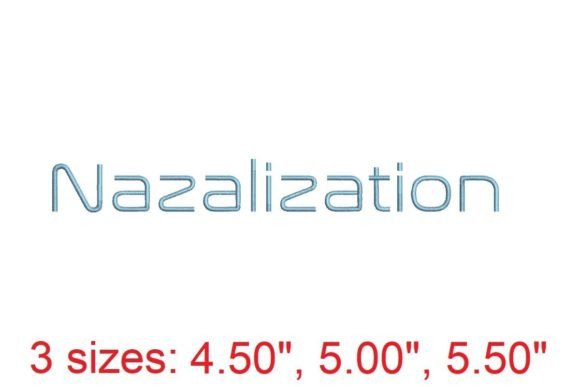
The first thing any craft business owner needs to determine is where a font sits stylistically. Based on the name and description, Nazalization Embroidery Font suggests a distinct character that likely bridges the gap between playful and structured. For those of us creating Back To School collections or custom apparel, this type of typography is invaluable. It does not read as overly formal or stiff, nor does it feel too juvenile. Instead, it appears to occupy a versatile middle ground that appeals to both parents shopping for kids' items and adults looking for trendy, retro-inspired sweatshirt embroidery.
This balance is crucial for digital embroidery file purchases. If a font is too niche, you can only use it for one season. However, Nazalization seems adaptable enough for year-round inventory. It feels modern yet accessible, making it a strong candidate for products that need to stand out in a crowded Etsy search result. The visual weight of the lettering appears substantial enough to be legible on textured fabrics like terry cloth or fleece, which is a common pain point with thinner, more delicate script fonts.
Best Product Applications for Small Businesses
When planning my production schedule, I categorize fonts by their best-use case. For Nazalization Embroidery Font, I see immediate potential across several high-margin categories. As an Etsy seller, diversifying your catalog with a single versatile asset helps maximize your return on investment. Here is how I envision integrating this font into a commercial embroidery lineup:
- Custom Apparel and Sweatshirts: The bold nature implied by this font makes it ideal for chest placements on crewnecks and hoodies. It reads well from a distance in product photography, which increases click-through rates.
- Tote Bag Design: Canvas totes are a staple for handmade product sellers. This font likely provides the clarity needed for names or short phrases on natural cotton canvas without getting lost in the weave.
- Kitchen Towel Embroidery: Personalized tea towels are top-tier giftable items. A font with good stitch definition ensures the text remains crisp even after washing and heavy use.
- Baby Embroidery and Blankets: While the name suggests edge, the precision mentioned in the description indicates it could work beautifully for nursery decor when stitched in softer thread colors, offering a unique alternative to standard block letters.
- Embroidered Patches: For sellers making iron-on patches, readability at small sizes is non-negotiable. This font’s construction seems conducive to clean edges and dense satin stitches required for patch-making.
Enhancing Buyer Value and Perceived Quality
In the world of personalized gifts, the typography often dictates the perceived value of the finished product. Customers are not just buying stitches; they are buying an aesthetic. Nazalization Embroidery Font supports a premium feel because of its described precision. When a customer sees a listing photo featuring this font, the clean lines and intentional design signal professionalism rather than amateur experimentation.
For creative entrepreneurs using printable mockups to test market demand before stitching, this font’s distinct personality allows for more accurate digital previews. Shoppers can visualize exactly what they are ordering, reducing hesitation. Furthermore, when photographing real samples for social media or Etsy listings, fonts with strong silhouettes tend to perform better in thumbnails. They create contrast against backgrounds and remain identifiable even when scaled down on mobile devices. This directly impacts conversion rates for boutique merchandise and seasonal collections.
Practical Seller Notes and Production Testing
While the creative potential is exciting, the technical execution determines whether a font stays in your library or gets deleted. Before listing any product featuring Nazalization Embroidery Font, I strongly recommend a rigorous testing protocol. The product description highlights seamless integration with the PES file format, which is excellent for Brother and Baby Lock users, but you must verify compatibility with your specific machine setup via the Creative Fabrica product page.
Stitch Out and Stabilizer Strategy
Always create a sample stitch-out on the actual fabric you intend to sell. A font that looks perfect on polyester felt might tunnel on linen or pucker on jersey knit. Pay close attention to stitch density during your test run. If the font is too dense for lightweight baby embroidery, you may need to adjust settings or choose a different stabilizer combination. Conversely, if it lacks density on a towel, the fabric grain will show through, diminishing the professional quality of the custom apparel.
Hoop Size and Readability Checks
Confirm the minimum and maximum sizing capabilities before committing to a design. Some fonts lose integrity when scaled below a certain height due to satin stitch width limitations. Check the recommended hoop size on the product details to ensure it fits your production equipment. Additionally, test the font at the smallest size you plan to offer. If the letters merge or become illegible at 1 inch tall, establish a minimum size policy in your shop description to prevent customer dissatisfaction.
Licensing and Commercial Use
Perhaps the most critical step for any digital seller is verifying the license terms. Creative Fabrica embroidery designs come with various usage rights. Before selling a finished product or marketing a tote bag design made with Nazalization, confirm that your current subscription or purchase includes commercial rights for physical goods. Never assume; always check the specific license attached to the embroidery file to protect your craft business legally.
Evaluating Thread Colors and Final Presentation
Finally, consider how Nazalization Embroidery Font interacts with your thread palette. Because this font is crafted with creativity in mind, it likely responds well to variegated threads or high-contrast colorways. Test different thread colors against your base fabrics to see which combinations pop best in photos. Sometimes a white thread on a cream sweatshirt looks elegant in person but disappears in a camera lens. Documenting these successful pairings during your sampling phase creates a reference guide for future custom apparel orders, streamlining your workflow and ensuring consistent quality across all handmade products.
Ultimately, adding Nazalization Embroidery Font to your toolkit should be a strategic decision based on both its aesthetic appeal and its technical reliability. By taking the time to validate its performance on real materials and understanding its best applications for Back To School gear, home decor, and personalized gifts, you can confidently integrate it into a profitable product line. Always refer back to the official Creative Fabrica listing for the most accurate technical specifications, and let your test stitches guide your final business decisions.