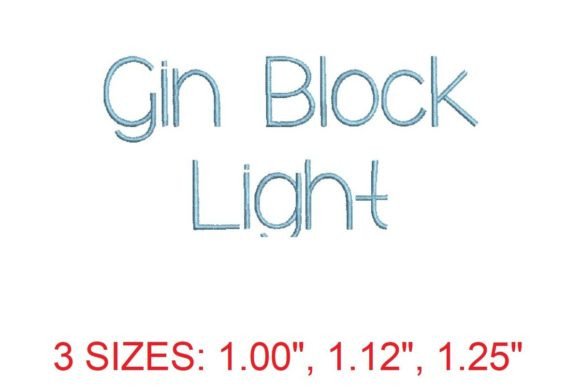
Gin Block Light Embroidery Font: Elegant Simplicity for Craft Fair Staples
First Impressions: A Clean, Elegant Font with Timeless Appeal
As an embroidery designer prepping for a weekend craft fair, I immediately noticed how the Gin Block Light Embroidery Font stands out—not with flash, but with a quiet elegance. The name itself suggests a minimalist, structured look, and the description promises a design that’s both meticulously crafted and machine embroidery compatible. That’s a strong combo for small shop owners and Etsy sellers looking to elevate their handmade product line without complicating production.
From the get-go, this font feels modern yet versatile. It leans toward minimal and premium, with clean lines and balanced spacing. It doesn’t scream for attention like a bold script or a playful cartoon font, but it catches the eye with sophistication—perfect for customers who appreciate subtle, quality craftsmanship.
How It Performs on Craft Fair Favorites
When setting up a booth, you need designs that work across a variety of products. The Gin Block Light Embroidery Font fits right in with tote bags, aprons, tea towels, patches, caps, and pillow covers—especially when you’re aiming for a clean, upscale handmade look.
- Tote bags benefit from its legibility. Whether monogrammed or used for short quotes, it reads well from a distance and gives tote designs a boutique feel.
- Aprons are another strong match. Placed on the chest or hem, this font adds a personal, professional touch that Etsy buyers and craft fair shoppers love.
- Tea towels are where this font shines. Paired with simple motifs or used alone for phrases like “Kitchen Queen” or “Bake Sale,” it photographs beautifully and reads as handmade but polished.
- Caps can be tricky for small lettering, but this font’s clarity helps it stand out even on curved surfaces—assuming you test it on a sample first.
- Embroidered patches with this font make excellent add-ons or standalone products. They’re easy to stitch and look sharp on denim jackets or tote bags.
Practical Production Points: Why It Works for Batch-Making
For small batch production and weekend craft fair prep, efficiency is key. The Gin Block Light Embroidery Font is straightforward to understand at a glance—no complicated fill patterns or overly dense stitching that could slow down your machine or frustrate new embroiderers.
It works well both as a small accent (like initials on pouches) or as a larger focal point (on pillow covers or wall hangings). The design’s simplicity also makes it easy to photograph for Etsy listings or printable mockups, especially on light-colored fabrics where thread contrast is clear.
Because of its clean structure, this font is repeatable across products without feeling stale. It supports brand consistency, which is vital for boutique makers and creative entrepreneurs trying to build a recognizable handmade line.
Where to Be Cautious: Design Limitations to Watch For
While the Gin Block Light Embroidery Font is user-friendly, there are a few caveats to keep in mind before mass production:
- Dense stitch areas may not show up well on textured towels or thick canvas, so always test on the actual fabric you’ll be using.
- Tiny details in the font—especially at smaller sizes—can blur or lose definition. If you’re doing initials on pouches or caps, check readability before stitching a dozen.
- Dark fabric demands high-contrast thread. This font may not pop as well on black cotton as it does on ivory linen unless you choose your thread carefully.
- Curved surfaces like caps can distort small letters. Always do a sample hoop to check spacing and clarity.
Visual Appeal and Customer Engagement: Does It Draw Buyers In?
At a craft fair, you have seconds to catch a customer’s eye. The Gin Block Light Embroidery Font doesn’t shout—it whispers. And sometimes, that’s exactly what you need.
Its premium feel elevates the perceived value of your handmade product without being too formal. It pairs well with minimalist booth displays and works especially well in a Back To School context—think embroidered lunch sacks, teacher gifts, or student aprons with personalized names or motivational phrases.
When used on a printable mockup, this font reads as intentional and high-quality. Online shoppers notice that. At a craft fair, it helps your booth feel cohesive and thoughtfully designed, which builds trust and encourages impulse buys.
Designer Notes: What to Test Before You Stitch
Before you commit to a production run, always treat a new digital embroidery file like a prototype. Here’s what I recommend for the Gin Block Light Embroidery Font:
- Test the design on scrap fabric—especially the material you plan to use for your product.
- Check thread contrast against fabric colors to ensure legibility.
- Review spacing between letters, especially at smaller sizes.
- Confirm hoop size compatibility with your machine.
- Inspect stitch density for any areas that might pucker or distort fabric.
- Use the right stabilizer—especially for stretchy or textured materials.
- Create at least one real mockup to see how it looks in person and in photos.
- Compare fabric colors side by side to find the most flattering thread match.
- Confirm commercial licensing if you’re selling finished products or offering embroidery services.
These steps ensure your craft fair product looks sharp, stitches smoothly, and sells with confidence.
Final Thoughts: A Smart Addition to Your Embroidery Library
The Gin Block Light Embroidery Font isn’t flashy, but that’s exactly why it works. It’s a versatile, elegant font that supports a wide range of small shop product ideas—from personalized teacher gifts to chic kitchen linens. It stitches cleanly, photographs well, and holds up to batch production with minimal fuss.
If you’re an embroidery business owner, creative entrepreneur, or digital seller looking to add a touch of sophistication to your offerings, this font is worth a test hoop. Just remember to sample, test, and plan before you commit to large runs.