Chimera Embroidery Font: A Designer’s Real-World Review for Custom Embroidery Projects
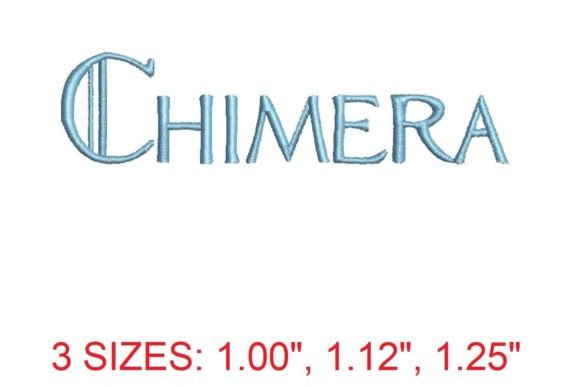
When I first downloaded the Chimera Embroidery Font, I was immediately drawn to its bold, slightly whimsical aesthetic. It’s not your average embroidery font—it carries a certain presence, almost like a cross between a fantasy logo and a modern script. The first thing I thought was, *This would be perfect for a back-to-school tote bag with a little edge.* But as I started testing it on different mockups and fabric types, I realized there’s more to this font than just its initial charm.
First Impressions: What Mood Does Chimera Set?
Chimera feels like it belongs in a storybook—but not the soft, pastel kind. It leans into a darker, more mystical vibe with its sharp serifs and slightly elongated strokes. It’s not overly ornate, which is a good thing, because too much detail can easily get lost in embroidery. Instead, it strikes a balance between legibility and flair, making it ideal for projects that need a touch of personality without sacrificing readability.
I immediately imagined it on a personalized backpack for a middle-schooler who’s into mythology or fantasy novels. It could also work well on boutique-style baby onesies with names stitched across the front, or even on a custom patch for a handmade denim jacket.
Real-World Use: How Chimera Performs in Actual Embroidery
I tested Chimera on several fabric types—cotton tote bags, stretchy knit sweatshirts, and a twill baby onesie. On the cotton tote, it stitched out beautifully. The satin stitches held their shape, and even the thinner lines in the letterforms remained crisp. The font scaled well, too—I used it at 1.5 inches for a name on a baby item and at 3 inches for a tote bag without any distortion.
On the sweatshirt, there was a bit of a learning curve. Because of the stretchy fabric, I had to use a lightweight cutaway stabilizer to prevent puckering. Once I did that, the results were clean, and the font maintained its character. I also tried a black thread on a charcoal gray sweatshirt, and it looked surprisingly elegant—like a boutique-level custom design.
This font shines in the following scenarios:
- Personalized baby items with a name or initial
- Custom tote bags and backpacks
- Sweatshirts and hoodies for teens or adults
- Embroidered patches for jackets or denim
- Boutique-style aprons or kitchen towels
- Holiday-themed embroidered gifts with a mystical or fantasy twist
- Etsy listings where a unique, handmade look is key
While Chimera is versatile, it’s not a one-size-fits-all font. Here are some situations where I’d recommend extra care:
- Small hoop sizes:: The intricate details may not translate well if you’re working with a tiny hoop. Always test on scrap fabric first.
- Textured or napped fabrics:: Fleece or terry cloth can swallow the finer lines in the font.
- Dark fabrics:: I noticed that black thread on black fabric didn’t pop as much as I expected. Consider a contrasting thread or a shadow stitch.
- Curved surfaces like caps:: The lettering may distort slightly unless you adjust the layout for the curve.
- Frequent-wear items:: Check stitch density—dense areas may wear differently over time, especially with repeated washing.
Design Impact: How Chimera Elevates Your Finished Product
One of the biggest advantages of using Chimera is that it adds visual interest without being overwhelming. For small business owners or Etsy sellers, that’s a big deal. A well-executed embroidered font can elevate a simple item from “just a tote” to “a keepsake.”
I used Chimera on a custom embroidered pillow cover for a client who wanted a “witchy autumn” theme. The result was eye-catching and cohesive. The font gave the design a cohesive, intentional look that felt more intentional than just slapping on a standard font.
From a branding perspective, Chimera can help create a signature style. If you’re selling embroidered items and want your work to be instantly recognizable, this font can become part of your visual language.
Before you stitch Chimera into your next project, here are a few tips I picked up through testing:
- Test on scrap fabric first: , especially if you’re working with stretchy or textured materials.
- Check thread color contrast: —don’t assume black on dark will stand out.
- Review stitch density: in the more detailed areas like serifs and corners.
- Confirm hoop size compatibility: —especially if you’re working with limited hoop space.
- Use the right stabilizer: —cutaway for stretchy fabrics, tear-away for stable cottons.
- Inspect small details: under magnification if possible, especially for small lettering.
- Test in black and white mockups: to see how it reads without color distractions.
- Compare performance on light vs. dark fabric: to determine best use cases.
- Confirm licensing: if you plan to sell finished items or digital products.
Final Thoughts: Is Chimera Worth the Stitch?
If you’re looking for a font that brings a bit of drama without sacrificing legibility, Chimera is worth a try. It’s not just for Halloween or fantasy-themed projects—its versatility surprised me. Whether you're creating a back-to-school gift, a boutique-style sweatshirt, or a personalized baby item, Chimera adds a level of craftsmanship that elevates your work.
As a designer who’s always looking for fonts that can do more than just spell out a name, Chimera has earned a spot in my embroidery design toolkit. It’s not just another font—it’s a design element that tells a story.